
The Path to Predictable Performance: Leveraging Market Intelligence for Senior Housing Operators
Operators in the same market often produce vastly different results. The difference is not demand—it is market intelligence, and how it is applied operationally.
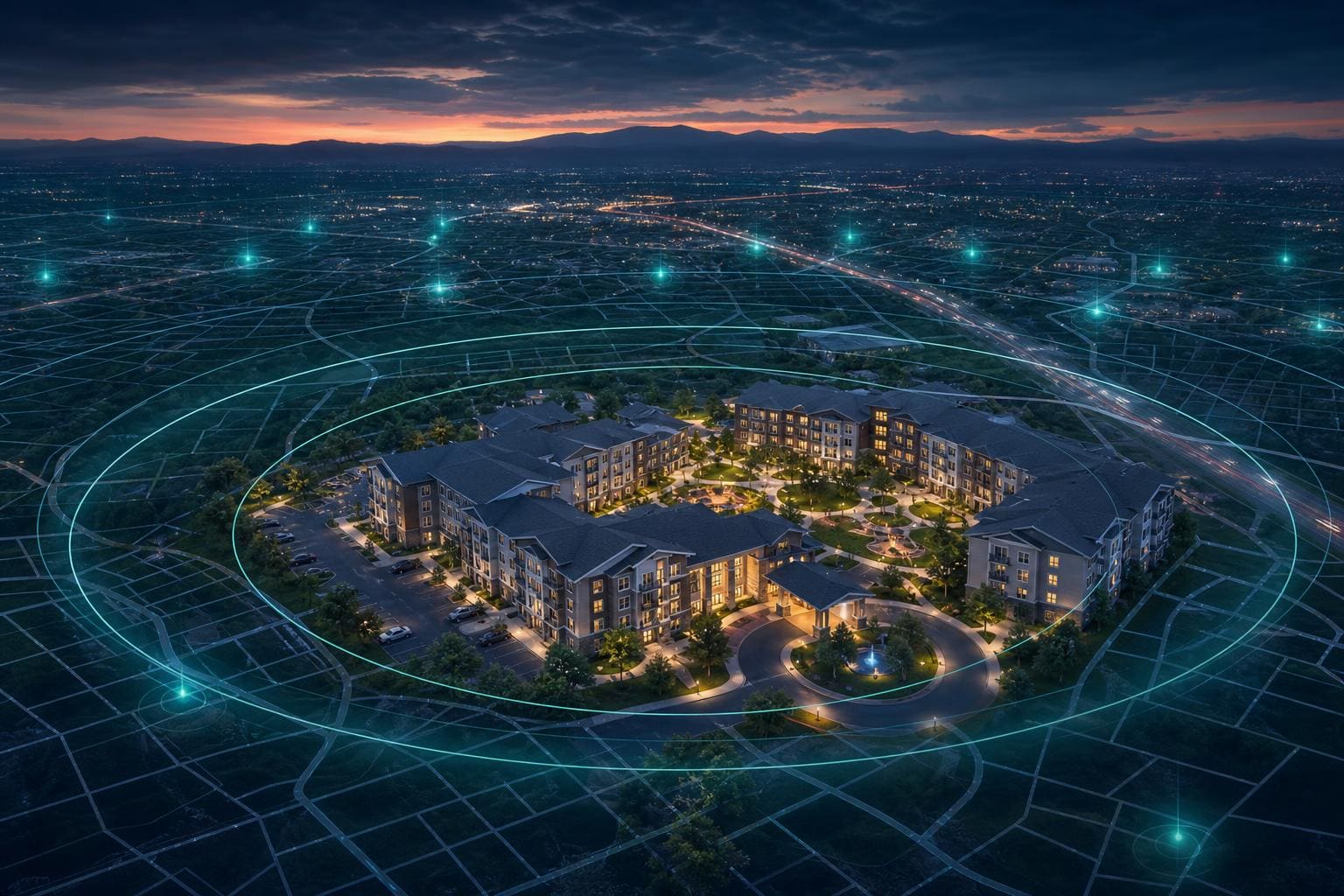
Senior housing has long been framed as a demographic inevitability—a sector supported by aging population trends and growing care needs. But demographics alone do not create predictable performance.
Operators in the same market, serving similar populations, often produce vastly different results. Some maintain stable occupancy, disciplined margins, and consistent growth. Others experience volatility, margin compression, and reactive decision-making.
The difference is not demand.
The difference is market intelligence—and how it is applied operationally.
The Illusion of “Demand-Driven” Performance
The industry frequently points to macro tailwinds:
- The aging of the Baby Boomer population
- Increasing life expectancy
- Rising need for assisted living and memory care
All of these are valid. But they are necessary conditions—not sufficient ones.
According to National Investment Center for Senior Housing & Care, performance across senior housing portfolios varies significantly even within the same regions.
Why?
Because demand is not uniform. It is localized, segmented, and dynamic.
Operators who rely solely on macro narratives are often surprised by underperformance at the community level.
What Market Intelligence Actually Means
Market intelligence is often misunderstood as static data:
- Market reports
- Quarterly occupancy trends
- Competitor surveys
This information is useful—but insufficient.
True market intelligence is:
- Dynamic (continuously updated)
- Localized (specific to submarkets and trade areas)
- Actionable (connected to operational decisions)
Senior Housing News has emphasized that leading operators are increasingly integrating real-time data into decision-making rather than relying on retrospective reports.
The shift is from information to insight.
The Three Layers of Market Intelligence
To drive predictable performance, operators need visibility across three interconnected layers:
Senior Housing Market Intelligence — External Market Conditions
- Local supply and demand dynamics
- Competitive inventory and new development pipelines
- Demographic trends at the submarket level
- Pricing benchmarks across comparable communities
Internal Performance Metrics
- Occupancy and census trends
- Inquiry volume and conversion rates
- Length of stay and move-out patterns
- Revenue per occupied unit (RevPOR)
Operational Drivers
- Staffing levels and labor costs
- Care acuity mix
- Service delivery efficiency
- Resident satisfaction and engagement
Most organizations track these layers independently. High-performing operators connect them.
Where Predictability Breaks Down
Performance becomes unpredictable when these layers are disconnected.
Scenario 1: Misreading Demand
An operator assumes demand is strong based on macro trends, but local supply has increased significantly. Occupancy declines unexpectedly.
Scenario 2: Delayed Response to Market Shifts
Inquiry volume drops, but leadership doesn’t see the trend until monthly reporting cycles. By then, move-ins have already slowed.
Scenario 3: Pricing Misalignment
Rates are increased based on portfolio-wide assumptions, but local competitors are discounting aggressively. Conversions decline.
Scenario 4: Operational Blind Spots
Labor costs rise, but the relationship between staffing levels and census changes is not clearly visible.
In each case, the issue is not lack of effort. It is lack of integrated intelligence.
The Shift: From Reactive to Predictive Operations
Traditional operators react to what has already happened.
Predictable operators anticipate what is likely to happen next.
This requires a shift from lagging indicators to leading indicators.
Key Leading Indicators Include:
- Inquiry trends by source and geography
- Tour-to-move-in conversion rates
- Competitor pricing changes
- Local move-in and move-out patterns
- Changes in care level demand
McKnight's Senior Housing & Care has highlighted that operators who actively monitor forward-looking metrics are better positioned to maintain occupancy and margin stability.
Predictability is not achieved by eliminating uncertainty. It is achieved by seeing it earlier.
Turning Intelligence into Action
Data alone does not improve performance. Action does.
Operators who successfully leverage market intelligence translate insights into specific operational decisions:
1. Pricing Strategy
- Adjust rates based on real-time competitive positioning
- Use targeted incentives instead of broad discounting
- Align pricing with care levels and demand segments
2. Sales and Marketing Focus
- Reallocate marketing spend to high-performing channels
- Adjust messaging based on local demographics
- Improve response times and follow-up processes
3. Staffing Alignment
- Adjust staffing models based on projected census changes
- Anticipate labor needs before occupancy shifts occur
- Reduce overtime and agency reliance
4. Portfolio-Level Strategy
- Identify underperforming communities early
- Deploy resources strategically across markets
- Make informed decisions on acquisitions, dispositions, or repositioning
The common thread: decisions are made with context, not assumptions.
The Competitive Advantage of Predictability
In a volatile environment, predictability is a differentiator.
Operators who leverage intelligence
- Stabilize occupancy faster
- Maintain pricing discipline
- Control labor costs more precisely
- Reduce performance variability across communities
Operators who do not
- Reactive decision-making
- Inconsistent results
- Margin pressure
The Bottom Line
Senior housing is not just a demographic story. It is an operational one.
Market intelligence, when properly integrated, transforms performance from reactive to predictable.
The operators who succeed in the next phase of the industry will not be those who simply understand the market.
They will be the ones who continuously interpret it—and act on it in real time.
Key Takeaways for Operators and Investors
- Demographics describe the opportunity; market intelligence converts it into performance.
- Weekly leading-indicator monitoring separates predictable operators from reactive ones.
- Pricing, staffing, and portfolio decisions move together — or they leak NOI together.
These insights are derived from publicly available industry research and cited sources.
Get this article as a PDF
Save it for your team, share it with stakeholders, or read it offline. No email required.
Frequently Asked Questions
- What is senior housing market intelligence?
- Continuously updated submarket data covering supply, demand, pricing, demographics, and competitor performance — used to drive pricing, staffing, and portfolio decisions in real time.
- How often should operators refresh market intelligence?
- Leading operators monitor leading indicators weekly (inquiry volume, conversion, competitor pricing) and rebase strategic assumptions monthly.