
A founder's story · The foundation
This is where the doctrine came from.
John Hauber is an institution builder whose career moved progressively closer to the underlying problem—until SeniorCRE became inevitable.
John Hauber
Founder & CEO · Dallas, Texas
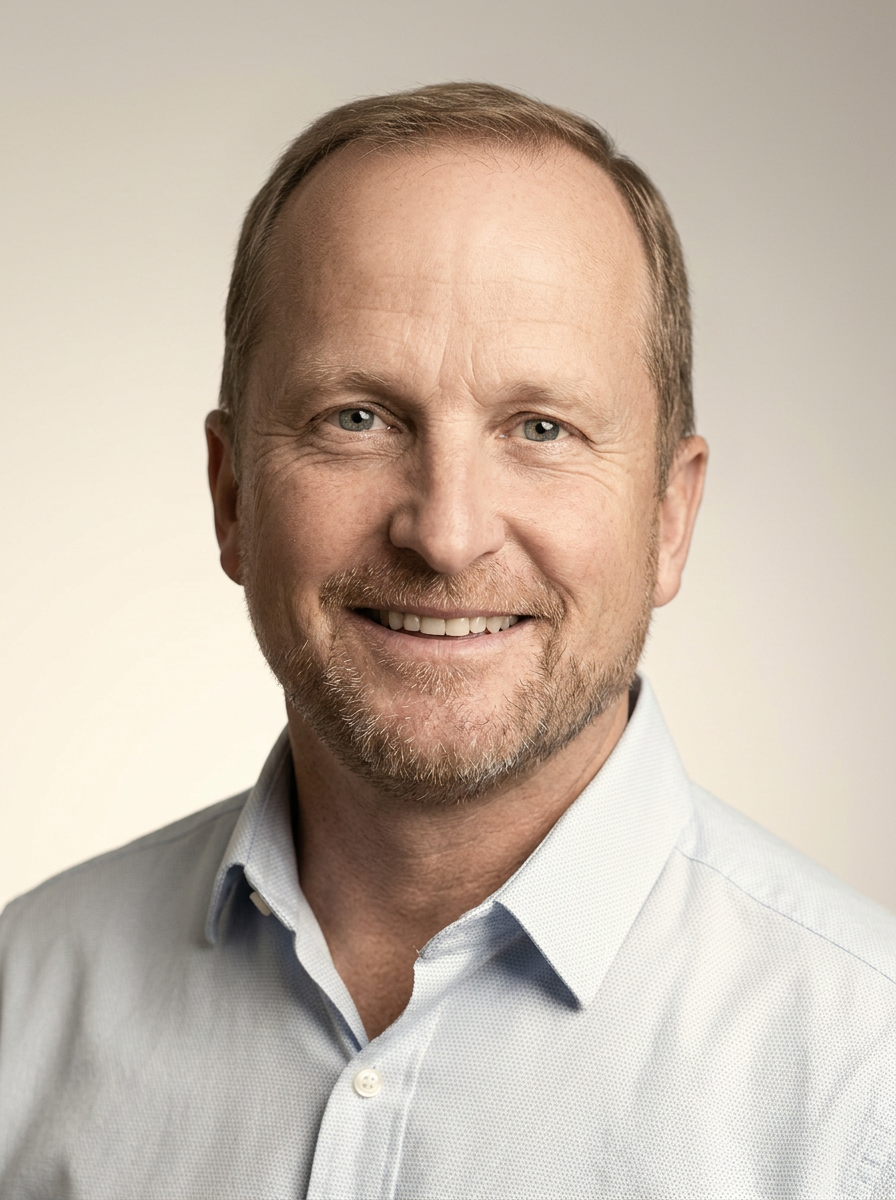
The origin
- Enterprise software
- Real estate
- Senior housing advisory
- Investment
- Operating infrastructure
Not a résumé. One long apprenticeship.
The chapters look separate from a distance: enterprise software, real estate, senior housing advisory, investment, and finally operating infrastructure. They were not separate. Each moved me closer to the same question: how does an organization decide what is true when the people, systems, and capital around a decision see different parts of the picture?
I did not come to that question as an operator. I came to it as an advisor and investor who saw the problem from the other side of the table—from the boardroom, the deal room, and the covenant model—and kept moving closer to the work beneath the numbers.
01
Experience
Learning that software changes nothing unless the institution can use it
My early career was in enterprise healthcare software. I learned how complex systems are bought, explained, implemented, and resisted. The lasting lesson was not about a particular product. It was that technology only matters when authority, workflow, economics, and human behavior line up around it.
Real estate made that lesson tangible. Across brokerage, property management, ownership, finance, and related services, I saw how quickly one asset could produce several versions of the same business story. The spreadsheet was never the full story. The institution behind it determined whether the number could be trusted.
The formation came before any of it: New Mexico Military Institute, Stephen F. Austin State University, and Sigma Chi taught discipline and accountability early, and fourteen years of leadership in Rotary International taught service. Institutions like these shaped how I think — membership carries obligations, and obligations hold only when the structure behind them is real.

02
Pattern
The closer I moved to senior housing & care, the more the same fracture appeared
Senior housing & care brought software, real estate, service, and capital into one field of view. Through advisory work with operators, owners, investors, lenders, and capital partners, I kept seeing the same pattern: each party could be diligent and still be working from a different version of operating reality.
Census could say one thing while labor, care, compliance, revenue, and the capital model implied another. The problem was not simply that data lived in different systems. Those systems were independently authoritative for different parts of the business, while the organization still needed one accountable way to decide what governed.

03
Conviction
Capital and operations cannot be separated.
An investment thesis is only as sound as the operating assumptions beneath it. An operating decision changes the financial story. A capital decision changes what the operation can do. Neither side gets to treat the other as an appendix.
That is the operator-investor lens: not a claim that I was an operator, but a conviction formed by advising operators alongside owners and capital partners. The people accountable for execution need authority over the operating truth; the people allocating capital need lineage back to how that truth was formed.

04 · Doctrine
The answer was not another dashboard. It was an Operator-Controlled Operating Record.
The organization needs a record it agrees to run from: which number governs, why it governs, who has authority over it, and where it came from. That conviction became the operating doctrine behind SeniorCRE.

01
Definition
Agree on what the operating number means before asking people or systems to act on it.
02
Source authority
Declare which system or accountable role has authority for each operating object.
03
Reconciliation
Resolve disagreement once under operator-approved rules rather than repeatedly downstream.
04
Lineage
Preserve where the value came from, what changed, and why the organization accepted it.
EVIDENCE → DISAGREEMENT → AUTHORITY → OPERATOR-CONTROLLED OPERATING RECORD → INTELLIGENCE → EXECUTION
The Operator Authority Chain™ is the governance model for how information moves. Human authorization remains part of the movement from decision to execution. When systems disagree, the operator governs.
05 · SeniorCRE
The company became the place to operationalize the conviction.
SeniorCRE is the operator-controlled operating infrastructure for senior housing & care. Its purpose is to establish operator-controlled definitions, source authority, reconciliation, and lineage across the systems an operator chooses to retain—and, where the operator deliberately chooses, to assume selected system-of-record functions.
That is why the deployment doctrine is simple: Govern first. Replace only by choice. SeniorCRE operationalizes and preserves authority assignments; it does not take decision rights away from the people accountable for the work.
Parts of the platform are built and demonstrable on demonstration data; see the Trust Center for current status. No completed operator-production deployment, operator-production PHI, named measured outcome, live third-party operator-production integration, or independent outcome validation is claimed.

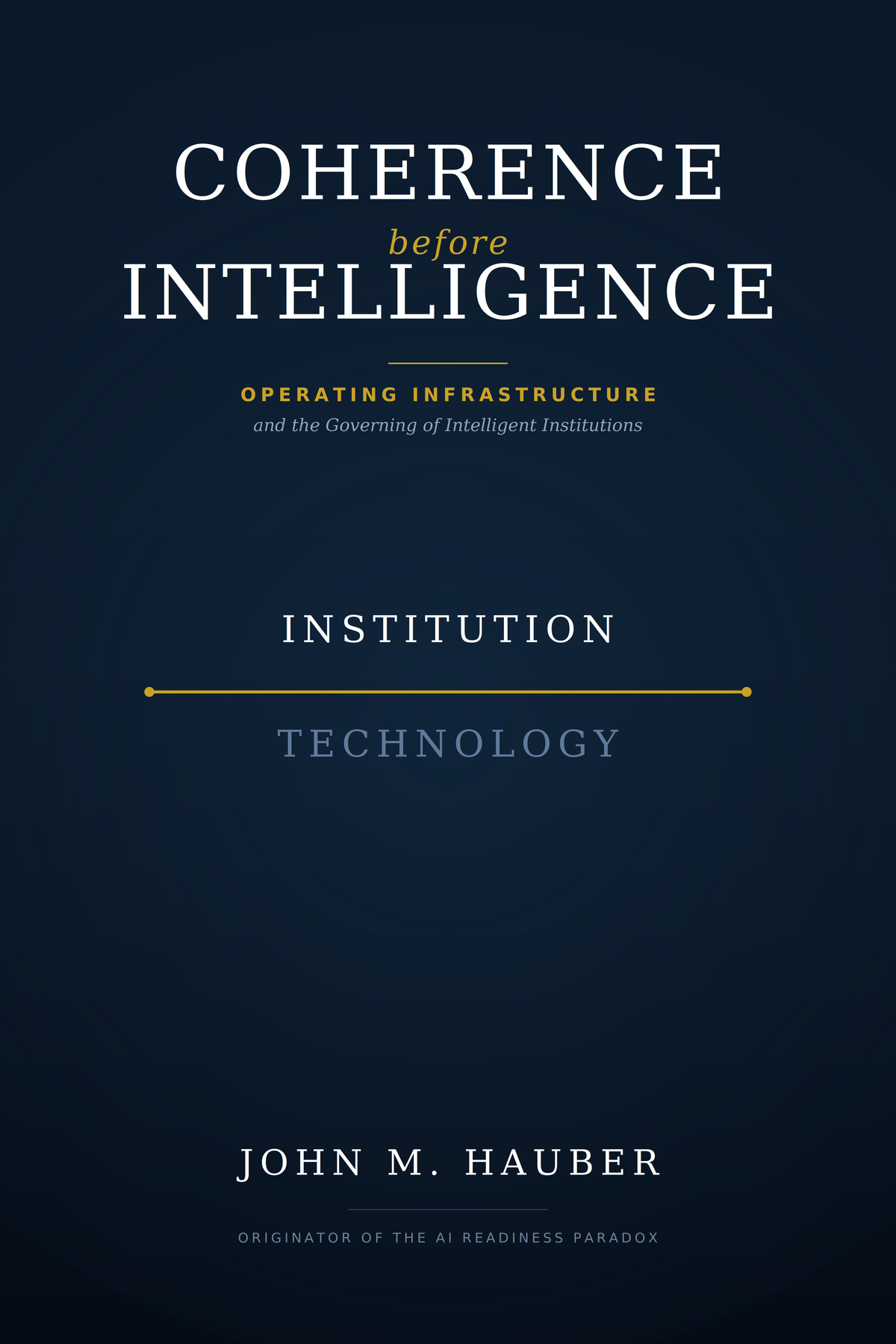
The book
Coherence Before Intelligence
Operating Infrastructure and the Governing of Intelligent Institutions
Long before SeniorCRE was a platform, the doctrine was an argument I had to write down and then test against my own objections. The book is that argument: why an institution has to govern what it accepts as true before it can safely let anything — a person, a model, a vendor — act on its behalf.
It is written for the board table rather than the procurement checklist. Governing intelligent institutions is a management discipline. The software comes after it, and should be judged against it.
The Preface, Introduction, and Chapter 1 are open. The complete manuscript is also available as a PDF.
In my own words
How I build
I do not think institutions are built by charisma alone. They are built by making trust durable.

01
Trust with accountability
Trust matters most when people can see what was decided, who owns the decision, and what happens next.
02
Clear decision rights
Good organizations make authority explicit. Ambiguity may feel flexible, but it usually moves risk to the people least able to resolve it.
03
Experience turned into systems
A lesson becomes institutional only when it can be repeated, examined, and improved without depending on one person remembering it.
04
Governance that protects trust
Governance should not slow responsible people down. It should preserve why a decision was made and keep authority with the people accountable for it.
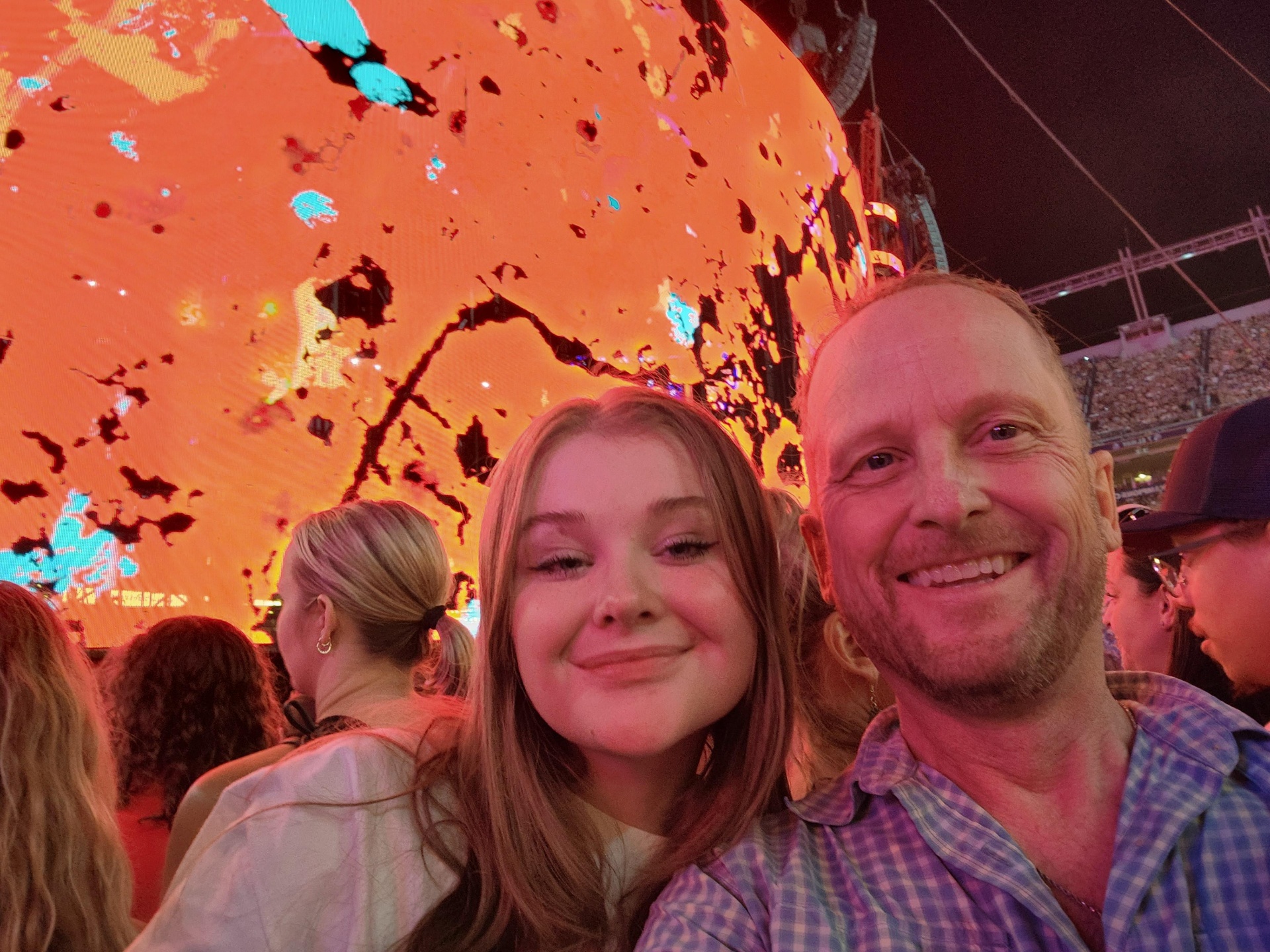
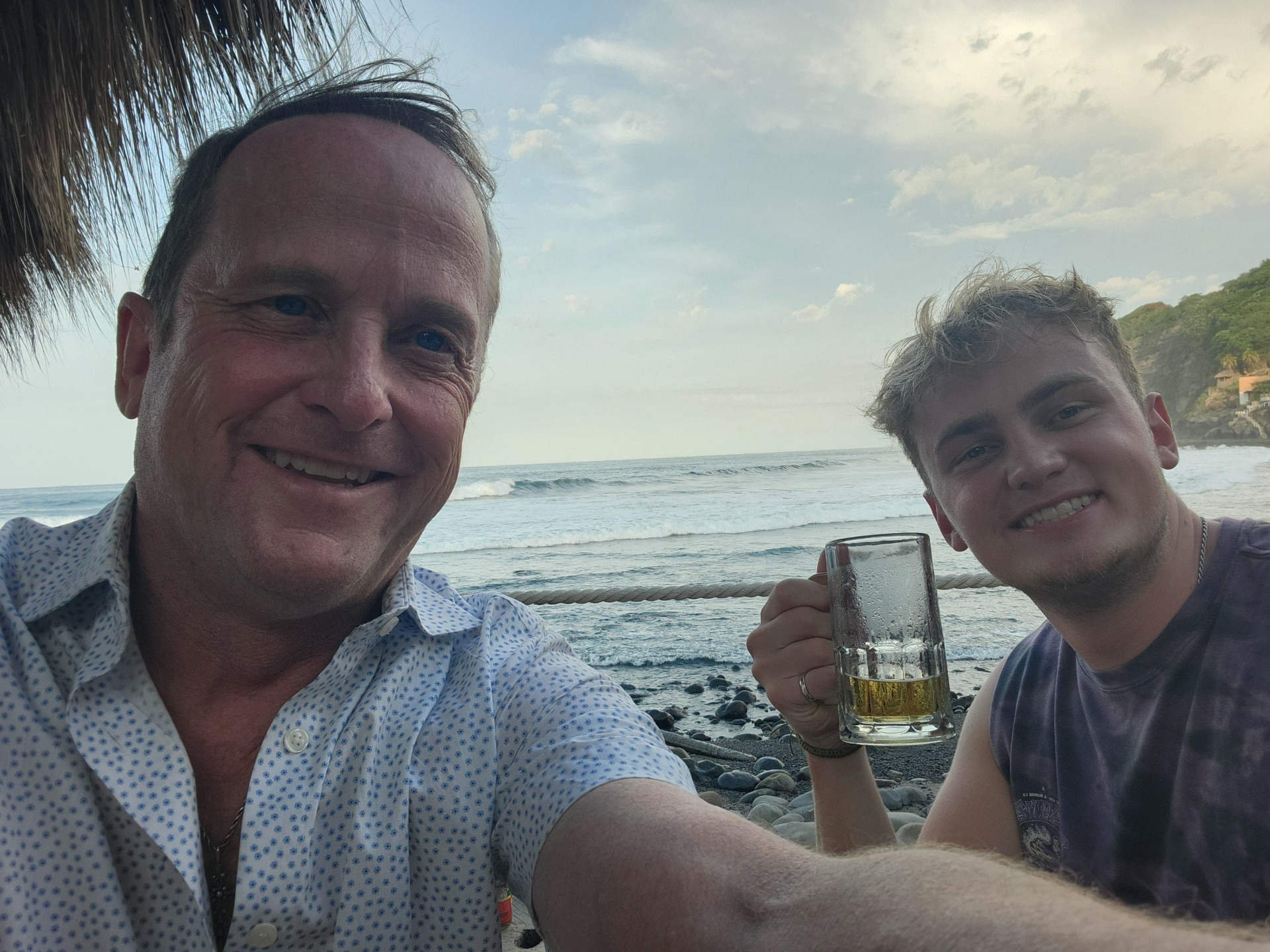

The person behind the doctrine
Faith, family, and responsibility
Faith and family keep the work in proportion. They are reminders that institutions outlast transactions, that responsibility is personal, and that what we build should protect the dignity and agency of the people who depend on it.
There is a way of running this industry that reduces a community to a census line and a person to a billing category. It is not the way anyone behaves at three in the morning beside someone they love. Family teaches what a dashboard cannot: that a life is not a set of fields, that attention is the most honest form of respect, and that the people who cannot advocate for themselves are the ones who most deserve a strong standard.
Faith is not a governance method. It is my spiritual life, and I keep it that way. It is not an argument I bring into a boardroom, not a policy a document can encode, and not a claim a system can verify. Most of it is private — held quietly, practiced imperfectly, and never used to claim authority over someone who does not share it.
Responsibility is where the two meet, and it is personal before it is institutional. A company does not have a conscience; the people inside it do. When I ask an operator to declare what their organization accepts as truth, I am asking them to do what I have to be willing to do myself: name the authority, own the number, and stay accountable for what happens next.
Build what the next generation would be willing to be responsible for.
A closing hope
What I hope we build
I hope we build an institution that helps operators keep control of what their organizations accept as true—and helps people make difficult decisions with clearer authority, better lineage, and greater trust. Technology should strengthen human judgment, not obscure who is responsible for it.
— John Hauber
Why we care